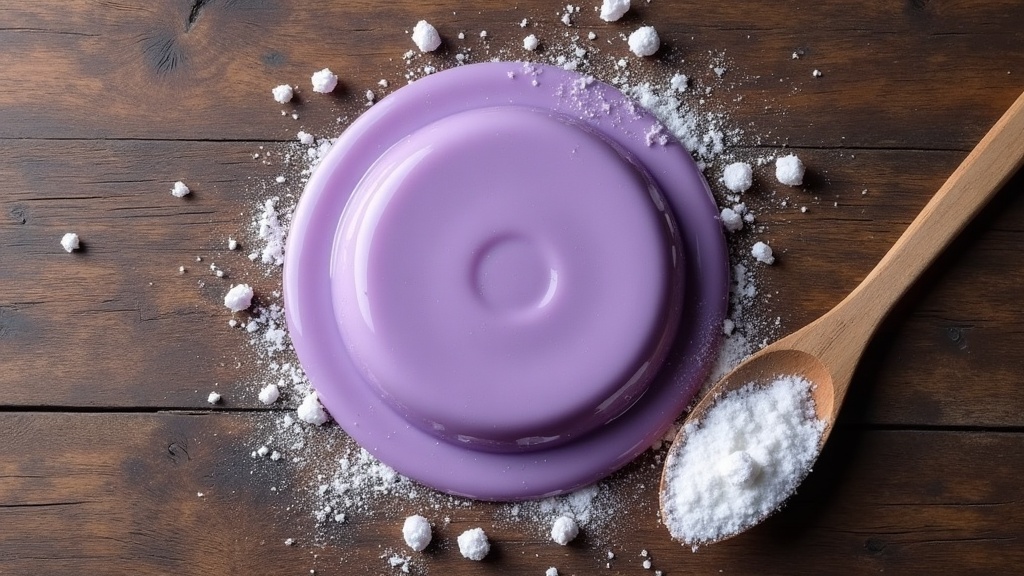
Long before wellness trends existed, women kept baking soda e gelatin on a kitchen shelf for reasons that had nothing to do with baking. This video walks through why that pairing still comes up today in conversations about collagen, satiety, and how the body shifts with age.
Before looking at any single habit, it helps to understand the four shifts most women notice as the years go by — often without anyone explaining why.
Collagen is one of the most abundant structural proteins in the body, supporting skin, joints, and connective tissue. Its natural production gradually declines, which is why so many women start paying closer attention to it.
The way the body signals fullness can change over time, influenced by hormones, sleep, and daily routine. Understanding satiety is different from counting calories — it's about how the body communicates.
Maintaining lean muscle mass becomes a more deliberate process as the body ages. This isn't about aesthetics alone — lean mass plays a role in overall metabolic function.
Much of the diet advice built decades ago wasn't designed with a woman's changing physiology in mind. That gap is part of why so many women feel like generic advice simply doesn't apply to them.
There’s no shortage of confident claims about women’s metabolism. Here’s a closer look at three common ones.
Metabolism only depends on how much you eat.
Metabolic rate is influenced by muscle mass, hormones, sleep quality, and age — not food intake alone.
Weight changes are always about willpower.
Body composition is shaped by many overlapping biological factors, many of which have nothing to do with discipline.
All diets work the same way for everyone.
A woman’s physiology, hormonal patterns, and life stage all affect how her body responds to any dietary approach.
This isn’t a rigid protocol — it’s a way of understanding why this particular combination has stayed relevant across generations.
Start with the ingredients themselves — baking soda and gelatin — and what is actually known about their properties, separate from any hype.
Gelatin is closely tied to collagen; baking soda has its own long history in traditional kitchens. Understanding each on its own terms matters before combining them.
No single habit exists in isolation. This step looks at how such a routine fits alongside sleep, movement, and everyday eating patterns.
Long before modern supplements, home cooks across many cultures relied on gelatin — rendered slowly from bone and connective tissue — as a staple ingredient in broths and dishes. Baking soda, similarly, has a long culinary history that predates any wellness trend. Neither ingredient was ever marketed; they were simply part of how kitchens operated for generations.
The interesting part isn’t that these ingredients are new — it’s that they never left. Modern interest in collagen has simply given an old kitchen habit a new vocabulary.
Some women notice their sense of hunger or fullness feels less predictable than it once did.
Skin elasticity and texture are frequently mentioned in connection with declining collagen levels.
Joint comfort is another area where connective tissue health is often discussed.
Where the body tends to hold weight can shift over time, independent of overall body weight.
Afternoon energy dips or inconsistent energy throughout the day are commonly reported.
Nail strength is sometimes used as an informal, everyday marker of overall nutrient status.
These reflect individual experiences and opinions. Individual results may vary, and these testimonials are not a guarantee of any specific outcome.
Hydrolyzed gelatin is gelatin that has been broken down into smaller components, which some sources suggest may make it easier for the body to process. It is derived from collagen-containing connective tissue.
No. This content is educational and discusses general wellness concepts. It does not diagnose, treat, cure, or prevent any condition.
Both ingredients have long, independent histories in traditional kitchens. The video explores why they’re often discussed together in modern wellness conversations.
No. The concepts discussed apply broadly to women at different life stages, since body composition and collagen levels are relevant throughout adulthood.
No. The video itself is free to watch and is intended to provide context and information.
No. Always consult a qualified healthcare professional regarding any health-related decisions or concerns.
It’s designed to be watched in one sitting and covers the topics outlined on this page in a straightforward, structured way.
This video walks through the reasoning, the history, and the context behind a kitchen habit that’s stayed relevant for generations.
Advertising Disclosure: This page contains sponsored content and affiliate links. We may receive compensation if you click a link or make a purchase through the links provided on this page. This helps support the operation of this website at no additional cost to you.
Content Disclaimer: This content is provided for educational and informational purposes only. Statements made on this page have not been evaluated by the Food and Drug Administration. This information is not intended to diagnose, treat, cure, or prevent any disease or health condition. Always consult a qualified healthcare professional before making any changes to your diet, exercise, or wellness routine.
Results Disclaimer: Individual results may vary. Any testimonials or examples shared on this page reflect personal experiences and opinions and are not a guarantee of any specific outcome. Your experience may differ.
© 2026 All Rights Reserved. For questions, visit /contact/.